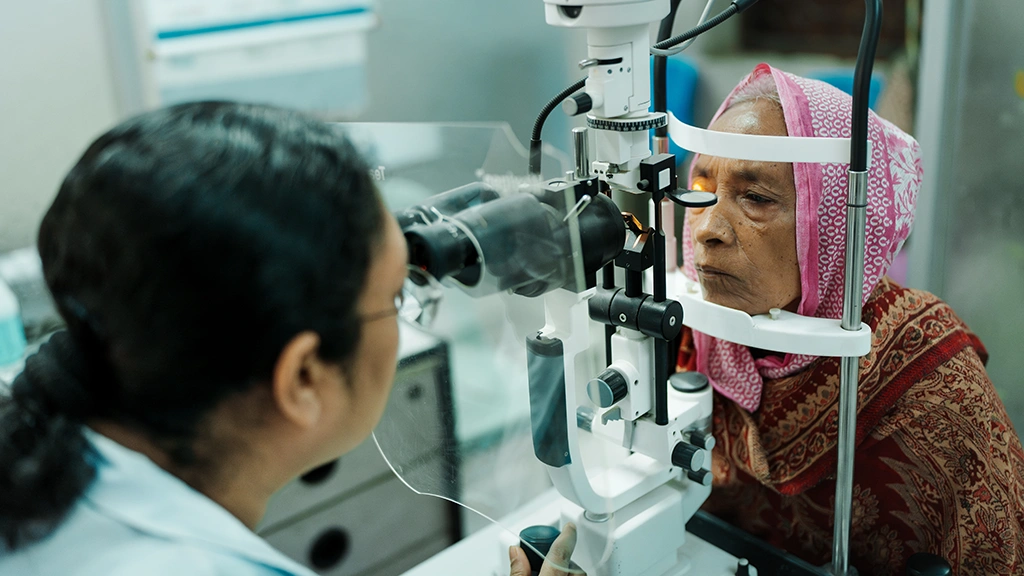
Working as a nurse in a clinic in Ghana’s densely-populated Awutu Senya District, Joana Annobil treated a wide range of medical issues – from diabetes to hypertension. But there was one issue that consistently stood out to her as having the biggest impact on patients’ lives: vision loss.
“Our eyes are like the light of the human body,” she says. “Without your eyes, you can’t do anything. You can’t go anywhere. So, the eye is very important to talk about and take care of.”
Joana wanted to bring better eye health care to people in her district by studying ophthalmic nursing, but pursuing further studies felt out of reach because of the costs of leaving her job to attend classes full time. Still, Joana didn’t give up. After discussing her aspirations with the District Director of Health Services in Awutu Senya, our partner on a community eye health project, the director reached out to us for support. Thanks to the generosity of our donors, Joana’s dream became reality; we provided the financial assistance she needed to advance her education.
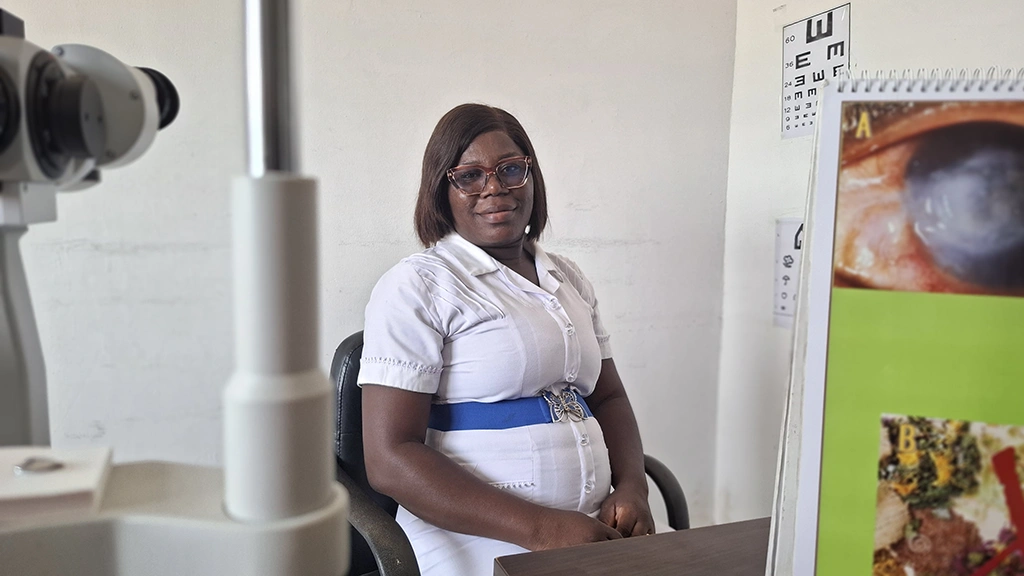
Today, Joana is fully certified as an ophthalmic nurse, after completing a degree program at the Korle Bu Teaching Hospital in Accra. She works at the Senya Beraku Polyclinic in her home district. She says that with her advanced training, she’s better able to diagnose, refer, and explain conditions and procedures to her patients. Most importantly, she is better equipped to combat eye health myths and misconceptions that prevent many patients from getting treatment.
Joana is just one of many healthcare providers and doctors whom we’ve supported in pursuing further studies since we were founded in 1963. One of the pillars of our work is to help build health systems by investing in hospital equipment and infrastructure, by establishing vision centres and by providing training opportunities for healthcare professionals. It’s all part of our sustainable approach to health care, which emphasizes building expertise at the local level.
Building facilities in the heart of the community
The town of Chitipa is located at the northern tip of Malawi, hours away from the larger cities in the country’s more populous south. Until recently, people in the area had to travel between 100 to 350 kilometres to get any kind of eye health care because the local hospital was over capacity.
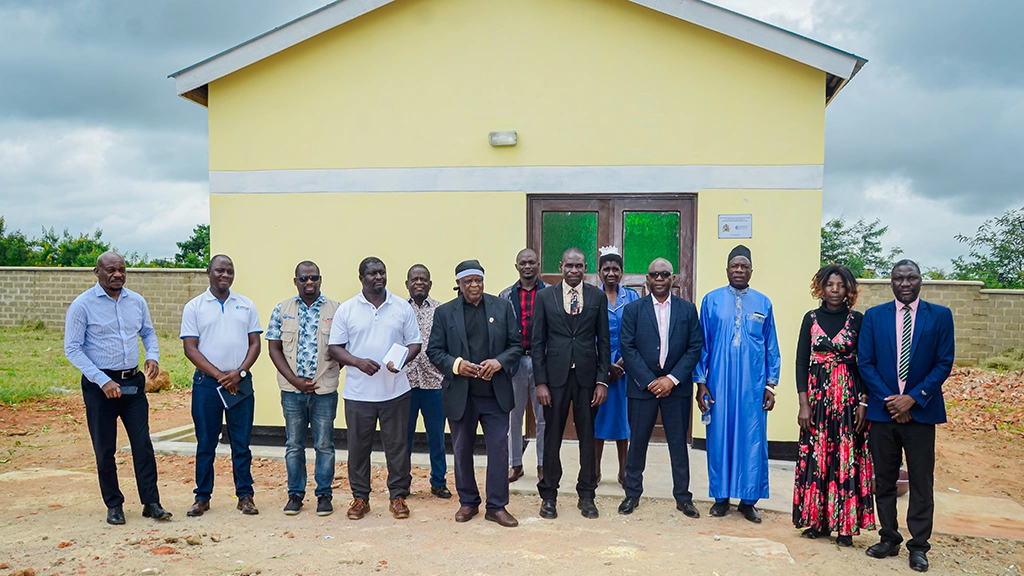
In March 2025, all that changed when we partnered with the Malawi Ministry of Health to open the new Operation Eyesight Vision Centre at the Chitipa District Hospital. Today, the district’s 256,000 people can visit the clinic to get everything from a routine eye exam to cataract surgery.
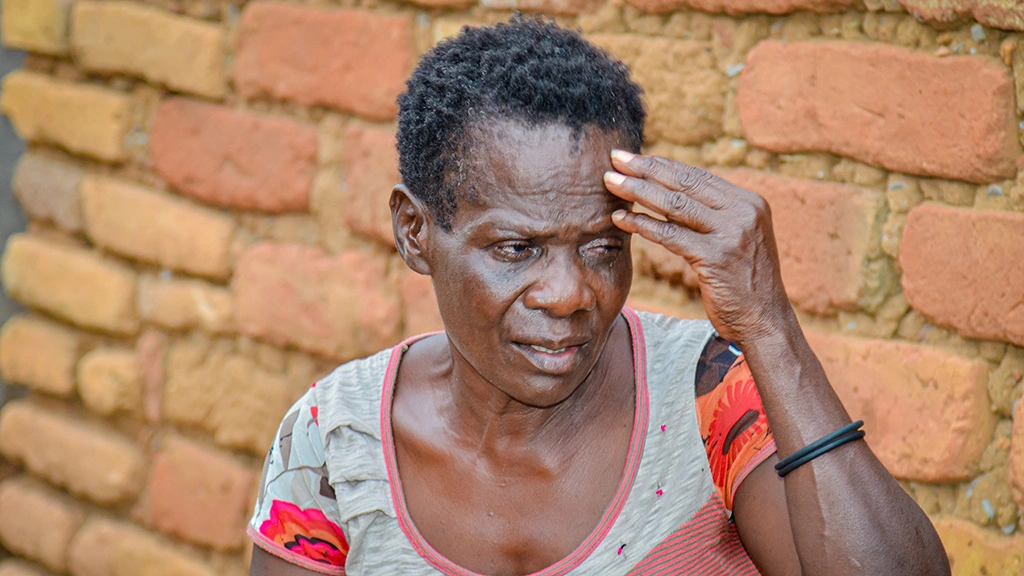
For Lydia, who lives in a village just outside of Chitipa, the new vision centre arrived just in time. For years, she’d noticed tearing in her left eye. Eventually, it became uncontrollable. She tried reading glasses, eye drops, various medications… nothing worked. Finally, she went to the hospital in Chitipa for help. There, she was diagnosed with cataracts and referred for surgery in Mzuzu, more than six hours away. She put off the operation while she saved money for the travelling it would entail.
When the new Operation Eyesight Vision Centre opened, Lydia was thrilled to find out that she could get her surgery much closer to home. In August 2025, she underwent the operation on her left eye, free of charge. Today, she is enjoying a higher quality of life, with her left eye no longer tearing up – and improved vision overall.
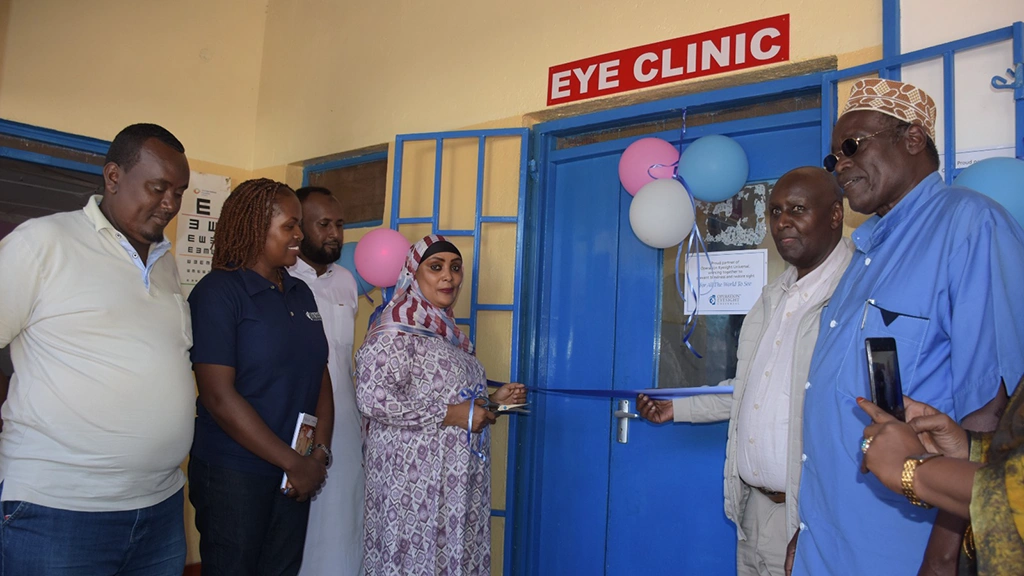
The vision centre in Chitipa is just one of many facilities we’ve helped establish in recent years. In May 2025, we successfully handed over a new eye clinic at the Garbatulla Sub-County Hospital to the County of Isiolo in Kenya. The clinic was developed in partnership with the county government and the Kenya Ministry of Health, with funding from Johnson & Johnson. Also in 2025, we laid the foundation stone for the construction of the Secondary Eye Hospital in Yadgir, Karnataka, India, in collaboration with the Shri Guru Mahipatiraj Eye Bank and Research Foundation Trust.
Supporting early screening and intervention
On the banks of the Ramganga River in Uttar Pradesh, India, sprawls the city of Moradabad, home to our partner hospital, the C.L. Gupta Eye Institute. In recent years, we’ve been working closely with the institute’s Vice-Chairman, Dr. Ashi Khurana, to help some of the area’s smallest residents – premature babies.
India has the highest rate of preterm births in the world, and the emergence of more Neonatal Intensive Care Units (NICUs) has greatly improved the survival rate of premature infants. But as more of these preemies grow up, an alarming trend is developing – some of these children end up going blind.
The culprit is Retinopathy of Prematurity (ROP), a condition that causes problems with the development of the blood vessels in the baby’s eye. If untreated, it can cause permanent vision loss and even total blindness.
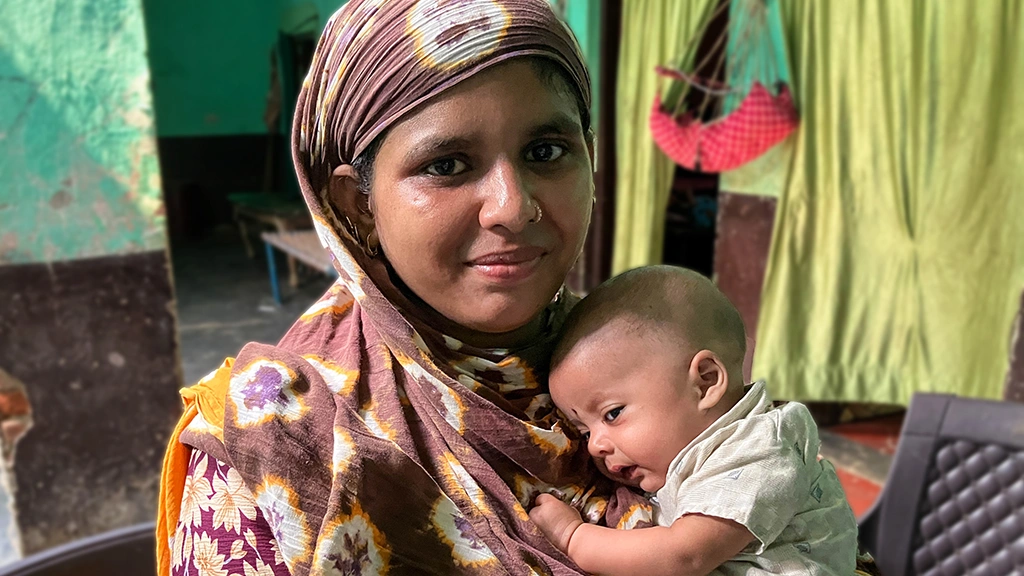
Dr. Khurana remembers first hearing about the problem when a local doctor approached her with concerns about the high number of local children who had gone blind due to ROP. The problem, they realized, was a lack of screening at the growing number of local NICUs.
In answer, Dr. Khurana and her team launched a pilot ROP program to screen Moradabad infants for the condition, which later expanded to include a partnership with Operation Eyesight. Dubbed the Retinopathy of Prematurity Eradication Project, the program runs a mobile eye clinic staffed by an optometrist who has training in ROP screening and laser treatment. The optometrist travels with specialized equipment to NICUs throughout the area, providing both screening and treatment, while referring more complex cases back to the C.L. Gupta Eye Institute.
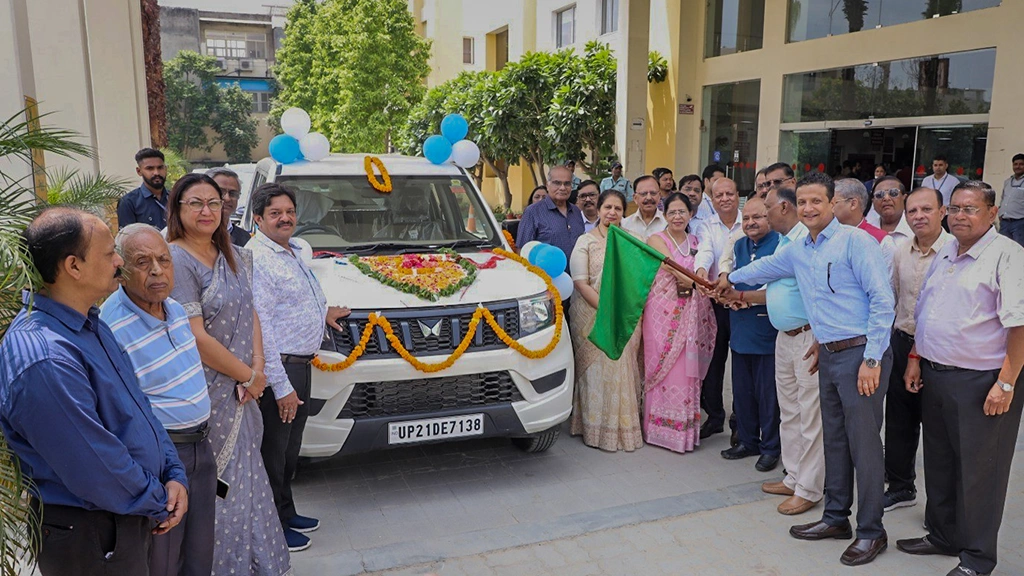
With help from Rotary Club partners, we supplied the program with essential equipment, including an imaging system used to examine the baby’s retinas, and a specialized laser system that is the gold standard for treating ROP. We also helped the hospital with the purchase of a mobile screening van, and we participated in the creation of educational materials to make sure that both healthcare providers and families understood the risks of ROP.
In the second year of the project, the screening area expanded from one district to five, including 28 NICUs. Between July 2024 and March 2025, 685 preterm babies were screened for ROP, with 54 of them receiving laser surgery, and another 35 treated with intravitreal injections.
Providing quality equipment – and the means to maintain it
Thanks to the generosity of our donors, we often purchase and upgrade ophthalmic equipment to help our partners offer the highest quality care possible, just like we did with the ROP project. Throughout our decades of work, we’ve equipped everything from vision centres to highly specialized operating theatres. We’ve also provided various types of vehicles to transport patients from rugged, remote locations to hospital, and to serve as mobile screening units on wheels – like the one now being used to screen infants in the Moradabad area.
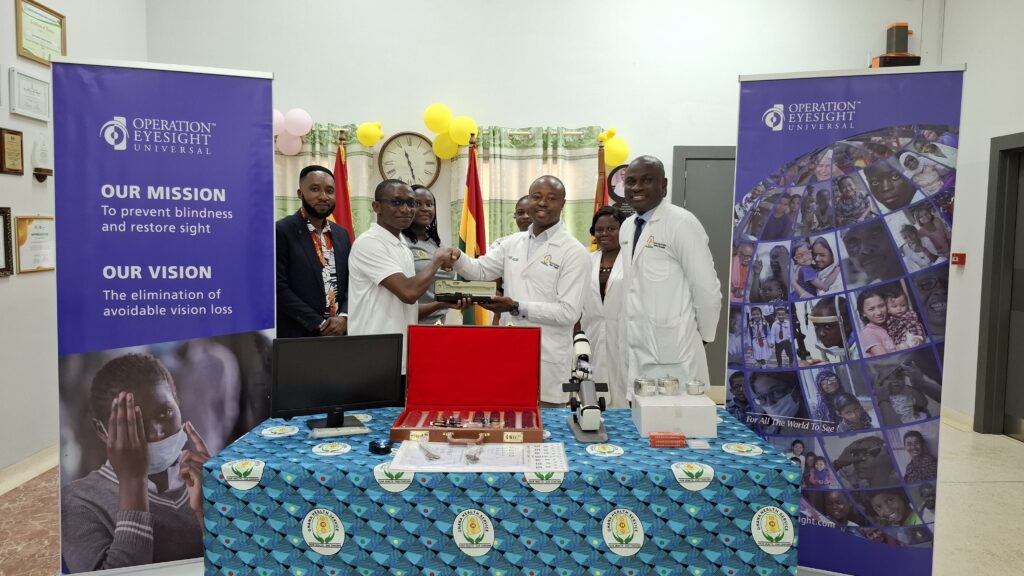
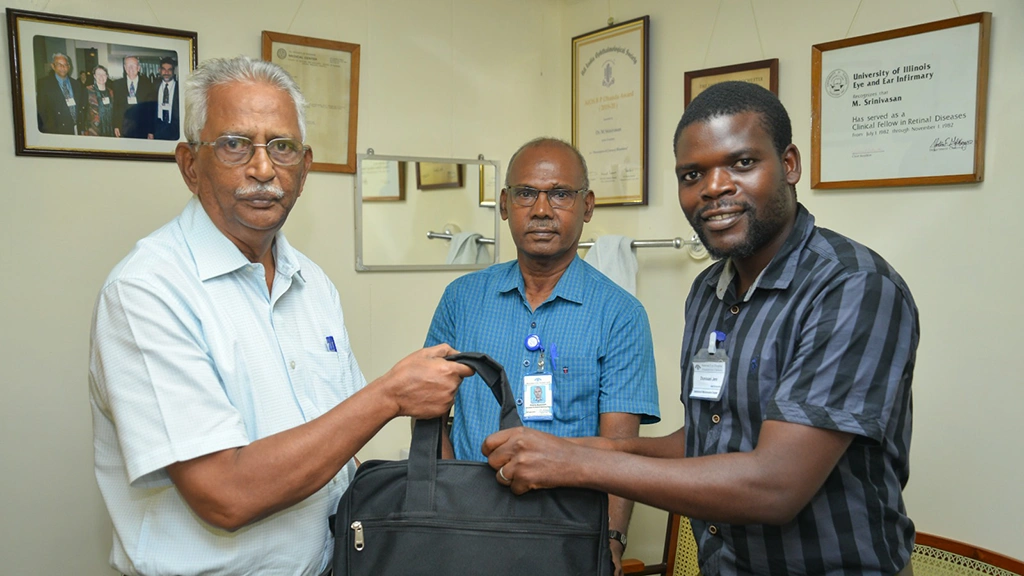
In addition to donating equipment, we are committed to ensuring sustainability by providing additional funding for equipment maintenance training. In 2024, Dumisani Jere from our partner facility, Mzuzu Central Hospital in Malawi, was sent to India’s Aravind Institute to do a one-month Ophthalmic Instruments Maintenance course. Since then, he has been providing support to eye clinics throughout our project areas in Malawi’s Northern Region.
Achieving sustainability through local investment
Hospital strengthening is at the heart of our mission to create lasting change. By investing in infrastructure, equipping facilities and training local professionals, we help build resilient health systems that can deliver quality eye care for generations to come. From vision centres in Malawi to advanced neonatal screening programs in India, these initiatives ensure that care is accessible, sustainable and rooted in local expertise. Thanks to the support of our donors, we’re not just treating patients – we’re strengthening health systems and empowering communities to protect sight for the future.
Donate today to help strengthen more hospitals and train more ophthalmic staff – For All The World To See.